Sarah Hines is assistant professor in the Department of History at the University of Oklahoma. Her manuscript-in-progress is titled, “Water for All: Community, Property, and Revolution in Modern Bolivia.” Her article “The Power and Ethics of Vernacular Modernism: The Misicuni Dam Project in Cochabamba, Bolivia, 1944–2017” appeared in HAHR 98.2. Revolutions and Counterrevolutions in Bolivia, Past and Present Since Morales resigned on November 10, 2019, debate has arisen in Bolivia and beyond over whether to call his ouster a coup. Those opposed …
HAHR Forum on Contemporary Bolivia and History Read more →

Rossana Barragán is a senior research at the International Institute of Social History. Her article “Working Silver for the World: Mining Labor and Popular Economy in Colonial Potosí” appeared in HAHR 97.2. Vicissitudes of mining in the Evo Morales government Why did the Central Obrera Boliviana (COB) and the Federación Sindical de Trabajadores Mineros de Bolivia (FSTMB) request the resignation of President Evo Morales on November 10?[1] And how are we to understand the fact that these traditional leftist organizations …

HAHR Forum on Contemporary Bolivia and History Read more →

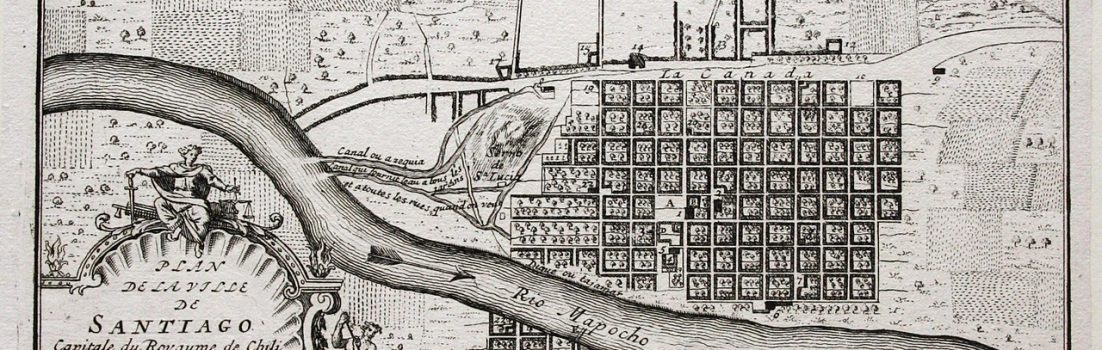
Catherine Burdick is an assistant professor of art history at the Centro de Investigación en Artes y Humanidades, Facultad de Artes, Universidad Mayor, Chile, specializing in colonial Latin American art. Her current research on paintings and cartography of colonial Chile integrates visual studies, political and religious histories, and sensorial studies in order to demonstrate the critical role of artistic expression in colonial Andean culture. You can read her article “Paradise and Perdition: Jesuit Visions of Santiago, Chile, before and after …

Read more →

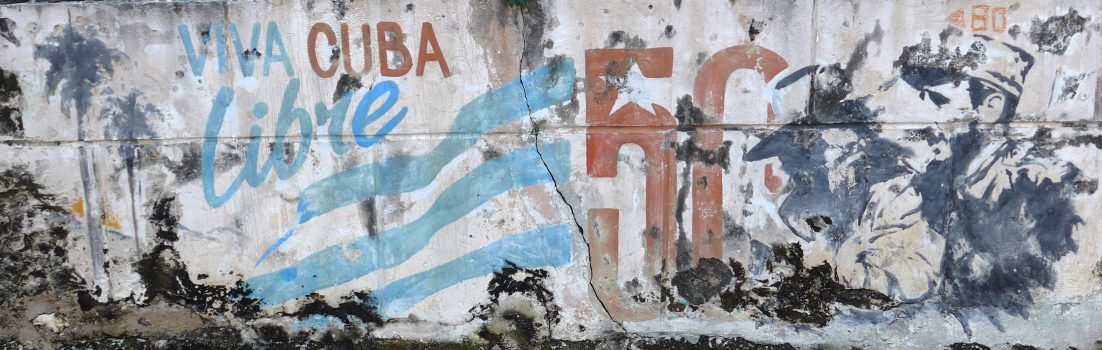
Lillian Guerra is professor of Cuban and Caribbean history at the University of Florida. She is the author of a book of Puerto Rican history, published in 1998, and three books of Cuban history: The Myth of José Martí: Conflicting Nationalisms in Early Twentieth-Century Cuba (2005); Visions of Power in Cuba: Revolution, Redemption, and Resistance, 1959–1971 (2012), which received the Latin American Studies Association‘s 2014 Bryce Wood Book Award; and Heroes, Martyrs, and Political Messiahs in Revolutionary Cuba, 1946–1958 …

Read more →

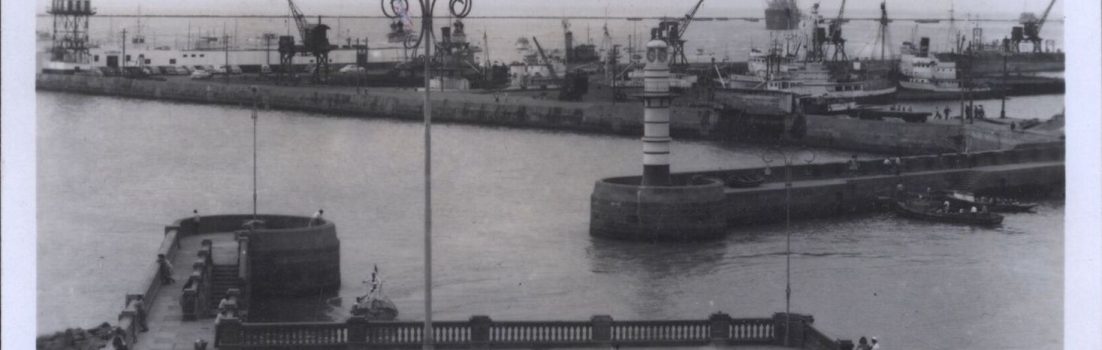
Joshua Savala is visiting assistant professor in the Department of History at Rollins College. He received his PhD in history from Cornell University in 2019. He is working on a book manuscript that examines cooperation, solidarity, and connections between Peruvians and Chileans in the nineteenth and twentieth centuries. You can read his article “Ports of Transnational Labor Organizing: Anarchism along the Peruvian-Chilean Littoral, 1916–1928” in HAHR 99.3.

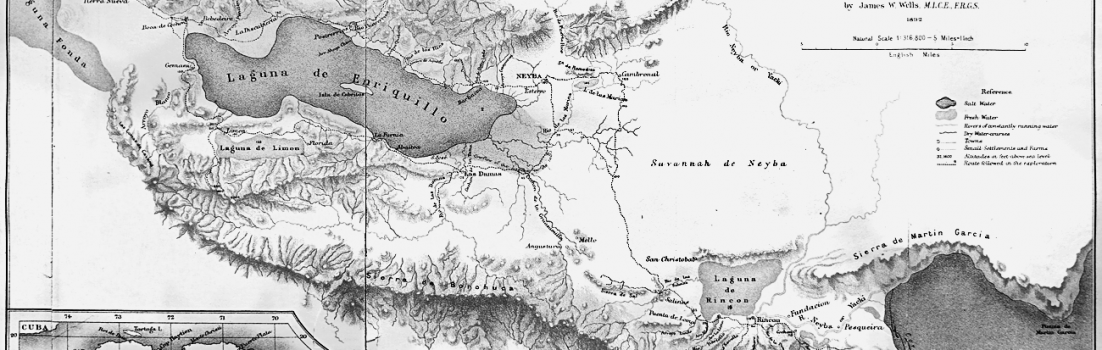
Anne Eller is an associate professor of history and an affiliate professor of Spanish and Portuguese at Yale University. She is the author of We Dream Together: Dominican Independence, Haiti, and the Fight for Caribbean Freedom (Duke University Press, 2016), which details the Dominican independence fight from renewed Spanish occupation (1861–65). She is currently writing a history of Caribbean politics in the 1890s. You can read her article “Raining Blood: Spiritual Power, Gendered Violence, and Anticolonial Lives in the Nineteenth-Century …

Read more →

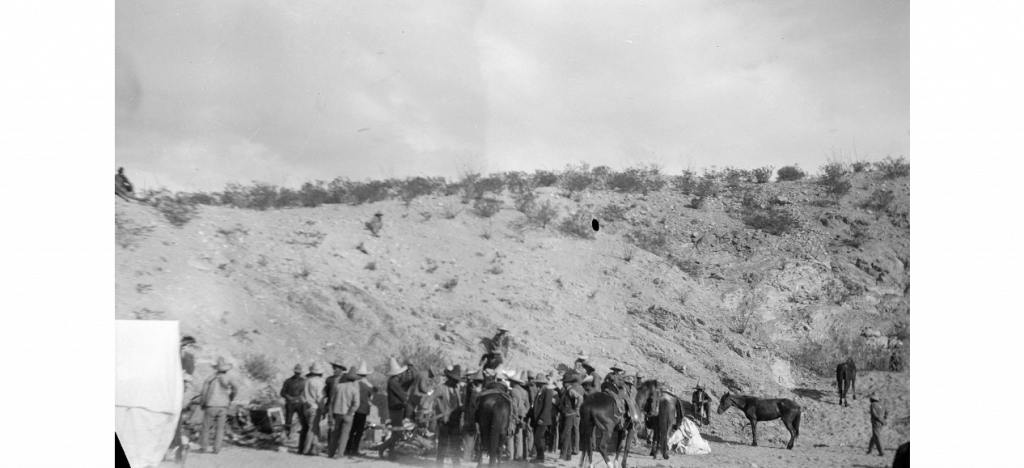
Mikael D. Wolfe is assistant professor of history at Stanford University. His work has centered on the intersection of environmental, technological, social, and political change in late nineteenth- and twentieth-century Mexico and Latin America. He is the author of Watering the Revolution: An Environmental and Technological History of Agrarian Reform in Mexico (Duke University Press, 2017), which received the 2018 Conference on Latin American History‘s Elinor K. Melville Prize for Latin American Environmental History. You can read his article “The …

Read more →

Sueann Caulfield is associate professor of history and associate professor in the Residential College at the University of Michigan. Her publications include In Defense of Honor: Sexual Morality, Modernity, and Nation in Early Twentieth-Century Brazil (Duke University Press, 2000), the coedited volume Honor, Status, and Law in Modern Latin America (Duke University Press, 2005), and various articles on gender and historiography, family law, race, and sexuality in Brazil. You can read her article “Jesus versus Jesus: Inheritance Disputes, Patronage Networks, and …

Read more →

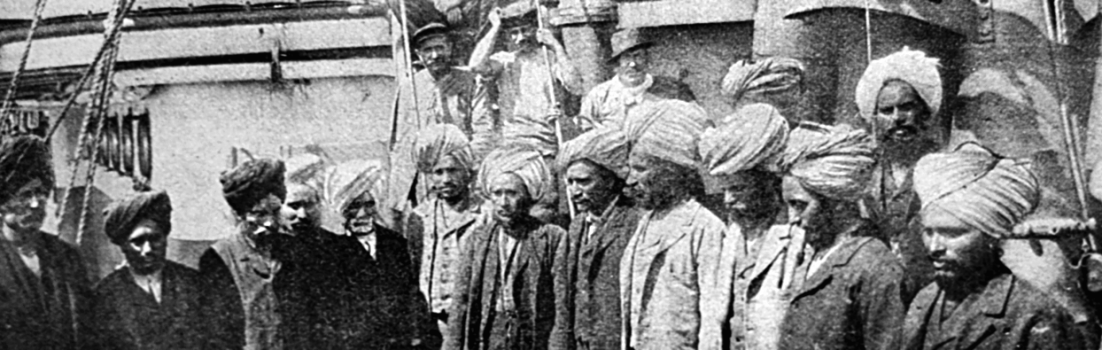
Benjamin Bryce is an assistant professor in the Department of History at the University of Northern British Columbia and received his PhD from York University in 2013. He is the author of To Belong in Buenos Aires: Germans, Argentines, and the Rise of a Pluralist Society (2018) and coeditor of Making Citizens in Argentina (2017). You can read his article “Undesirable Britons: South Asian Migration and the Making of a White Argentina” in HAHR 99.2.

Vanessa Freije holds a PhD in history from Duke University, and she is assistant professor in the Henry M. Jackson School of International Studies at the University of Washington in Seattle. She is currently completing a book on the opening of the Mexico City press in the late twentieth century. You can read her article “Speaking of Sterilization: Rumors, the Urban Poor, and the Public Sphere in Greater Mexico City” in HAHR 99.2.