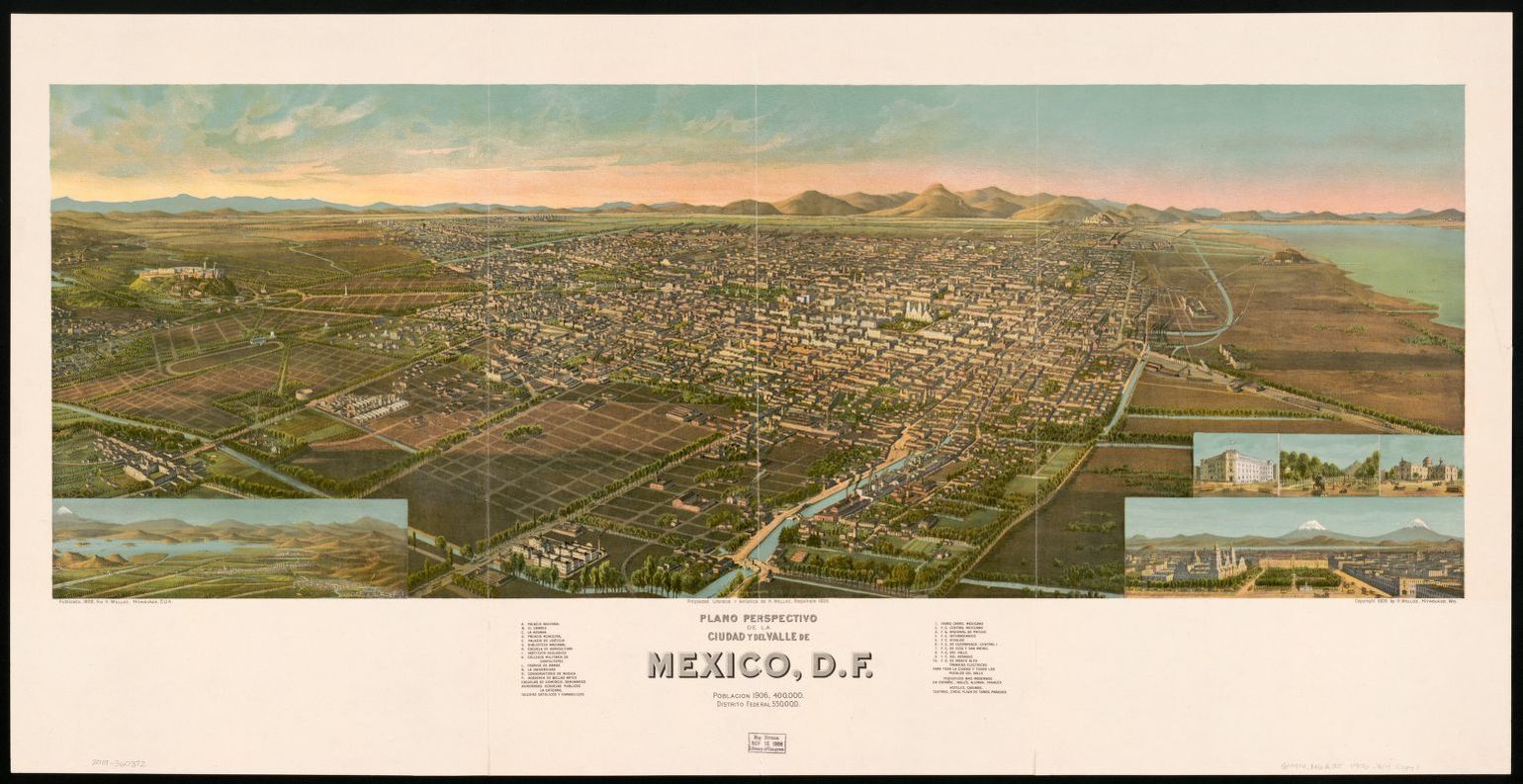
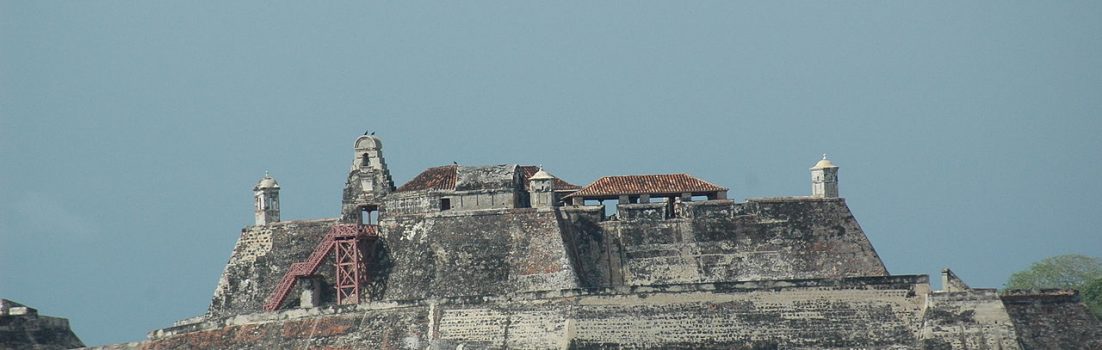
Ana María Silva Campo is a historian of race, gender, and the law in colonial Latin America. She is a Carolina Postdoctoral Fellow at the University of North Carolina at Chapel Hill. She earned her PhD in history at the University of Michigan and holds a BA in history and romance languages from the Universidad de los Andes in Bogotá, Colombia. You can read her article “Through the Gate of the Media Luna: Slavery and the Geographies of Legal …
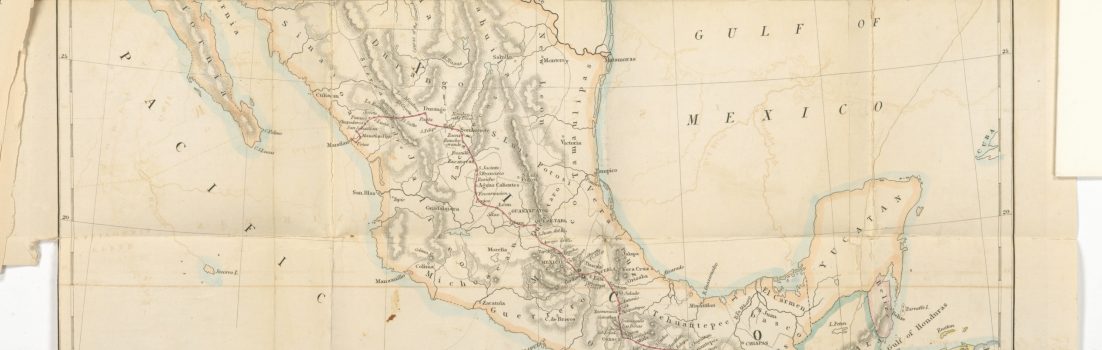
Read more →

Catherine Komisaruk is an associate professor of history at the University of Texas at San Antonio. She is the author of Labor and Love in Guatemala: The Eve of Independence (Stanford University Press, 2013). Currently she is writing a book about native families, migration, and activism in colonial Guatemala and Mexico. You can read her article “All in a Day’s Walk? The Gendered Geography of Native Migration in Colonial Chiapas and Guatemala” in HAHR 100.3.  1. How did you come to …

Read more →

Alfonso Salgado is an associate researcher at the Instituto de Investigación en Ciencias Sociales at the Universidad Diego Portales. He received his PhD in history from Columbia University in 2016. He is developing the postdoctoral project “Prensa de izquierda y gestión empresarial en Chile” (Proyecto Fondecyt de Postdoctorado N. 3190080) and is participating as coresearcher in the research project “Estalinismo y desestalinización: Continuidad y cambio en las generaciones militantes de las Juventudes Comunistas de Chile” (Proyecto Fondecyt Regular N. 1190307). …

Read more →

Katy Henderson is a senior research adviser with Oxfam America’s US Domestic Program. Previously, Henderson was a Brent Scowcroft Award Fellow with the Aspen Strategy Group, which focused on national security and foreign policy through Track II diplomacy. She is an affiliate of the Instituto Cubano de Investigación Cultural Juan Marinello and has worked closely with the Fundación Nicolás Guillén and the Instituto de Historia de Cuba. You can read her article “Race, Discrimination, and the Cuban Constitution of 1940” in …

Read more →

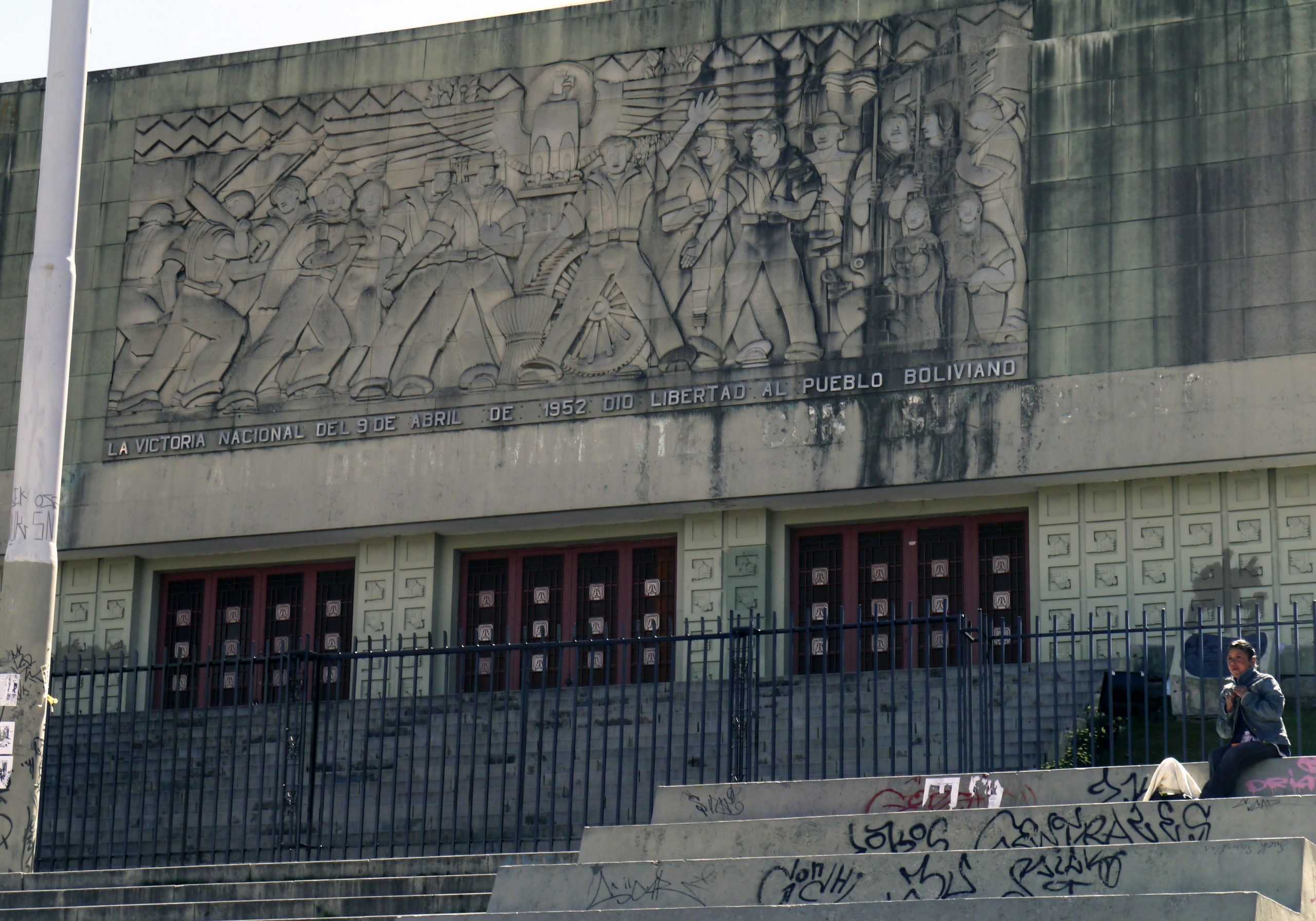
Bridgette K. Werner is a postdoctoral research associate and lecturer in the Program in Latin American Studies at Princeton University. She earned a PhD in Latin American history from the University of Wisconsin–Madison in 2018. She is currently working on a book tentatively titled “‘To Make Rivers of Blood Flow:’ Agrarian Reform, Rural Warfare, and State Expansion in Postrevolutionary Bolivia, 1952–1974.” You can read her article “Between Autonomy and Acquiescence: Negotiating Rule in Revolutionary Bolivia, 1953–1958” in HAHR 100.1.

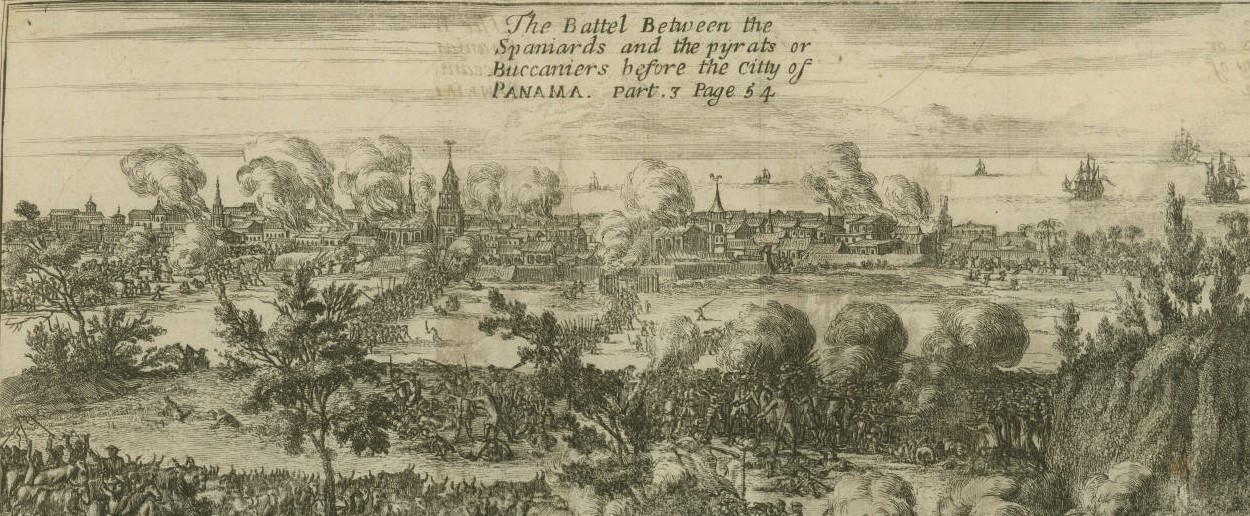
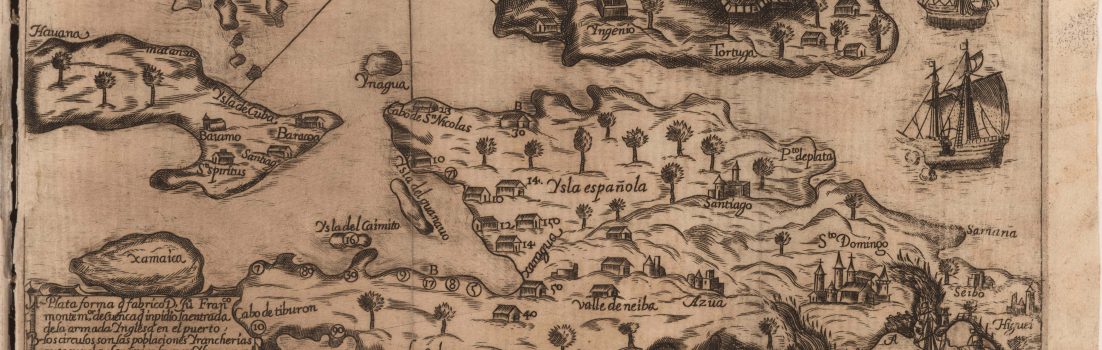
By Samantha Davis Arne Bialuschewski is assistant professor of history at Trent University. His research centers on cross-cultural relations in the seventeenth-century Atlantic world, early modern piracy, and the slave trade. Currently he is studying the relations between buccaneers and indigenous groups in Central America in the seventeenth century. You can read his article “Juan Gallardo: A Native American Buccaneer” in HAHR 100:2. 1. How did you come to focus on raiding in seventeenth-century Latin America as an area …

Read more →

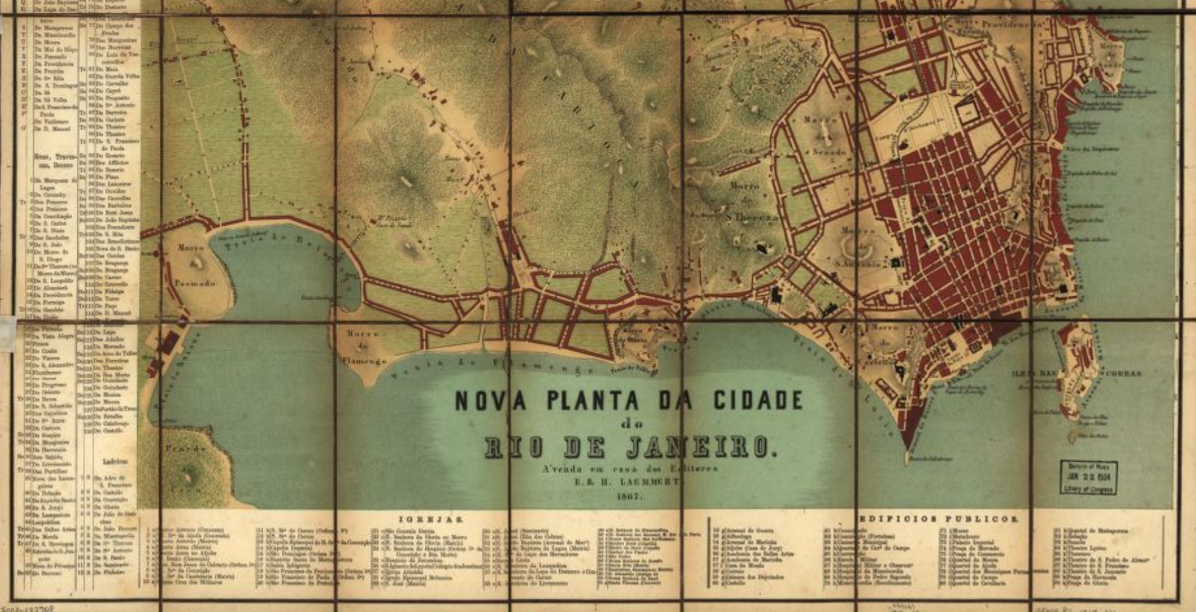
By Samantha Davis Isadora Moura Mota is assistant professor of history at Princeton University. Her scholarship focuses on modern Brazilian history, comparative slavery, abolitionism, literacy, and the African diaspora to Latin America. Mota’s first book, An Afro-Brazilian Atlantic: Slavery and Anglo-American Abolitionism in the Age of Emancipation (University of Pennsylvania Press, forthcoming), explores the role of Afro-Brazilians in shaping the history of abolition in the Atlantic world. You can read her article “Other Geographies of Struggle: Afro-Brazilians and the …

Read more →

 By Samantha Davis Ryan M. Alexander is associate professor of history at the State University of New York College at Plattsburgh. He is the author of Sons of the Mexican Revolution: Miguel Alemán and His Generation (University of New Mexico Press, 2016). His research interests range from political violence and popular memory to circus culture and disease epidemics. You can read his article “The Fever of War: Epidemic Typhus and Public Health in Revolutionary Mexico City, 1915–1917” in HAHR 100:1. …

Read more →

 By Samantha Davis Pablo Miguel Sierra Silva is assistant professor of history at the University of Rochester. He is the author of Urban Slavery in Colonial Mexico: Puebla de los Ángeles, 1531–1700 (Cambridge University Press, 2018). His research is centered on the experiences of enslaved people, mostly Africans, South Asians and their descendants, in the cities of colonial Mexico (New Spain) during the sixteenth and seventeenth centuries. You can read his article “Afro-Mexican Women in Saint-Domingue: Piracy, Captivity, and …

Read more →

Curated by Samantha Davis Thematic Collections are assortments of past and recently released articles in HAHR about key issues, events, individuals, or historiographical trends. These collections can be used as gateways into a specific historical subject, demonstrations of methodology, or sources for classroom discussion. As the world grapples with COVID-19, scholars and the public have turned to historical precedents of epidemic disease like the 1918 flu pandemic and typhus. The current crisis has prompted a wide range of reflections on public …

Read more →